

Section 179

QUALIFYING CARS AT MERCEDES-BENZ OF ST. CHARLES
VIEW INVENTORY
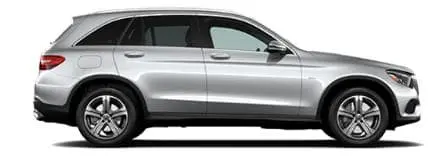
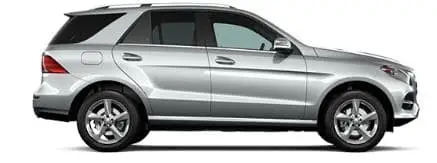
- Mercedes-Benz GLE
- Mercedes-Benz GLS
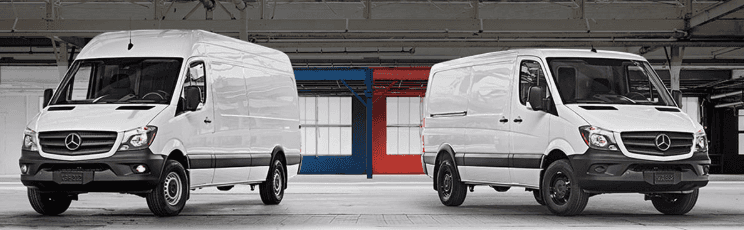
- Sprinter Vans
Business owners may be able to reduce their 2026 taxable income by purchasing eligible Mercedes-Benz vehicles for qualified business use. Section 179 and
bonus depreciation can make it more affordable to add a Sprinter Van to your fleet or purchase a qualifying SUV for your business. Mercedes-Benz of St. Charles
can help you compare vehicle configurations, confirm Gross Vehicle Weight Rating (GVWR), and find a vehicle that fits your operation.
2026 Section 179 Limits at a Glance
-
Maximum Section 179 deduction: $2,560,000
-
Phaseout threshold: $4,090,000 in qualifying property placed in service
-
Heavy-SUV Section 179 limit: $32,000
-
Business-use requirement: More than 50% qualified business use
-
Calendar-year deadline: The vehicle generally must be placed in service by December 31, 2026
Additional limits and eligibility rules apply. Always consult a qualified tax professional regarding your specific situation.
What Is Section 179?
Section 179 of the Internal Revenue Code allows eligible businesses to elect to deduct some or all of the cost of qualifying property in the tax year it is
placed in service, instead of recovering the cost through depreciation over several years.
For tax years beginning in 2026, the maximum Section 179 deduction is $2,560,000. This limit is reduced dollar for dollar when the total cost of qualifying
Section 179 property placed in service during the year exceeds $4,090,000. The deduction is also subject to the business’s taxable-income limitation and
other requirements.
A purchased or financed vehicle may qualify when it is eligible property, used more than 50% for qualified business purposes, and placed in service during
the applicable tax year. For calendar-year taxpayers seeking a 2026 deduction, the vehicle generally must be ready and available for qualified
business use by December 31, 2026.
MERCEDES-BENZ SPRINTER VANS
Which Mercedes-Benz Vehicles May Qualify?
Eligibility and the potential deduction depend on the vehicle’s configuration, GVWR, qualified business-use percentage, acquisition and placed-in-service dates,
and the taxpayer’s individual circumstances. A GVWR above 6,000 pounds does not, by itself, guarantee a full deduction. Always verify the specific vehicle’s GVWR
using its manufacturer certification label and review the purchase with your tax professional.
Mercedes-Benz Sprinter Vans
Many Mercedes-Benz Sprinter configurations have a GVWR above 6,000 pounds and may be eligible for Section 179 and bonus depreciation when purchased for qualified business use.
The exact treatment depends on the vehicle’s seating, cargo area, body configuration, business use, and other tax requirements.
-
Sprinter Cargo Van: Offers enclosed cargo space and flexible upfit options for contractors, delivery services, mobile businesses, and fleet operators.
Certain cargo configurations may qualify for treatment that is not subject to the heavy-SUV Section 179 limit.
-
Sprinter Crew Van: Combines seating and cargo capacity for businesses that transport both employees and equipment. Eligibility depends on the specific configuration and use.
-
Sprinter Passenger Van: Supports shuttle, hospitality, and group-transportation businesses. Certain vehicles designed to seat more than nine passengers behind the driver may
fall within an exception to the heavy-SUV limit.
-
eSprinter Cargo Van: May qualify as depreciable business property when applicable requirements are satisfied, providing businesses with an all-electric commercial-van option.
Business-related shelving, partitions, equipment, and other qualifying upfits may also be eligible for deductions. Keep complete purchase, installation, mileage, and business-use documentation.
Mercedes-Benz SUVs Over 6,000 Pounds GVWR
Certain Mercedes-Benz SUVs with a GVWR above 6,000 pounds and not more than 14,000 pounds may qualify for Section 179 when used more than 50% for qualified business purposes.
For tax years beginning in 2026, the Section 179 deduction for a heavy SUV is generally limited to $32,000. Eligible remaining basis may qualify for bonus depreciation and regular depreciation.
-
G-Class SUV: Many configurations have a GVWR above 6,000 pounds, but eligibility must be confirmed for the specific vehicle.
-
GLS SUV: Certain configurations may exceed the 6,000-pound GVWR threshold. Confirm the certification label before purchase.
-
Select GLE SUV Models: Some configurations may meet the applicable GVWR requirement. Trim names alone should not be used to determine eligibility.
The deduction is based on qualified business use and is subject to the taxpayer’s eligibility, income, elections, and other applicable limitations.
How to Claim the Section 179 Deduction
-
Choose and purchase an eligible vehicle.
Confirm the specific vehicle’s GVWR and configuration rather than relying only on the model name.
-
Place the vehicle in service during 2026.
For a calendar-year taxpayer, the vehicle generally must be ready and available for qualified business use by December 31, 2026. Merely ordering or paying for it may not be sufficient.
-
Use the vehicle more than 50% for qualified business purposes.
Only the qualified business-use portion of the vehicle’s basis is considered. Commuting generally does not count as business use.
-
Maintain detailed records.
Keep the purchase agreement, financing records, GVWR documentation, placed-in-service records, mileage log, and receipts for qualifying upfits.
-
File IRS Form 4562.
Work with a qualified tax professional to determine the appropriate Section 179 election, bonus depreciation, and regular depreciation.
A Simplified Business-Use Example
Assume a business purchases an eligible $75,000 vehicle and uses it 80% for qualified business purposes. Its starting business-use basis would generally be $60,000 before applying Section 179, bonus depreciation, taxable-income limits, vehicle-specific limits, and other tax rules. The actual deduction may be different, so this illustration should not be treated as a tax estimate.
Important tax disclaimer: This page provides general information for educational purposes only and is not tax, legal, or accounting advice.
Tax laws and individual circumstances vary. Mercedes-Benz of St. Charles does not determine tax eligibility or guarantee any deduction or tax savings.
Consult a qualified tax professional before purchasing a vehicle or claiming any deduction.
